
Sustainability & materials
Better materials, and honest limits.
We will tell you where a sustainable choice performs and where it does not. Packaging that fails in the rain is not an environmental win.
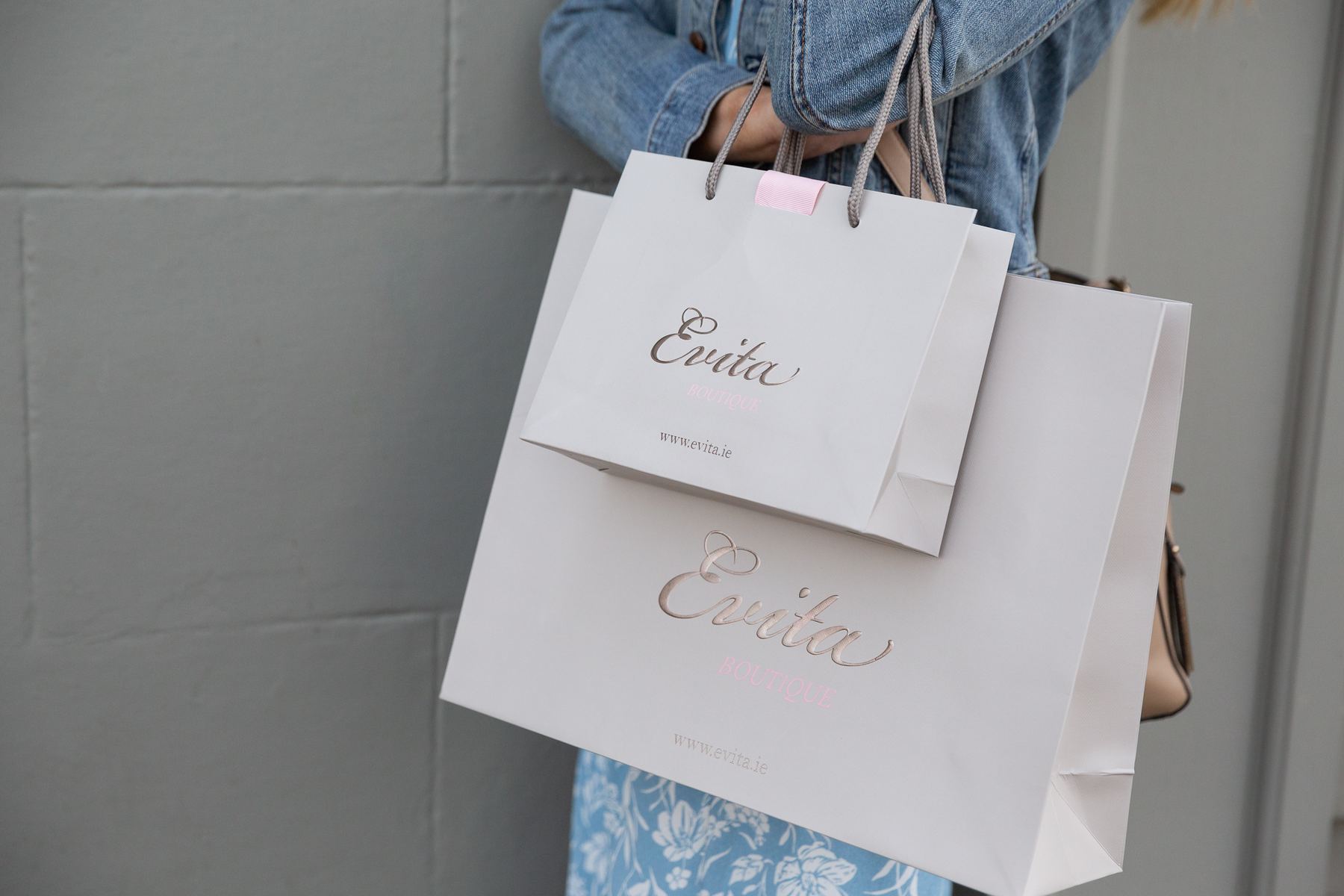
FSC-certified paper
Our standard stocks are available FSC certified, with chain-of-custody documentation supplied on request.
Recycled content
Post-consumer recycled papers across bags, boxes and tissue, with a fibre character many clients now prefer to a bright white sheet.
Plastic-free options
Unlaminated constructions with water-based varnish, cotton or paper handles and no plastic film, so the bag stays in the paper stream.
Right-sized production
Short runs mean you order what you will use. The most sustainable packaging is the packaging that never becomes obsolete stock.
Vegetable-based inks
Soy and vegetable-based ink systems available across our printing, with no loss of colour density.
Reusable by design
A well-made rope-handle bag is reused dozens of times. Durability is a sustainability decision as much as an aesthetic one.
The lamination question
Lamination is a micron-thin plastic film bonded to the printed sheet. It resists scuffing, repels light rain and makes dark colours considerably richer. It also makes the finished bag a mixed material, which complicates kerbside recycling.
If your brand makes recyclability claims, an unlaminated stock with a water-based varnish is the more defensible choice. The compromise most clients settle on is to laminate the flagship carrier bag that customers keep and reuse, and leave the everyday bag unlaminated.
We would rather have that conversation at specification stage than have you discover the trade-off after five thousand bags are printed.
Ask us for the sustainable specification.
Tell us the constraint, recyclable, plastic-free, FSC, or all three, and we will specify against it.